
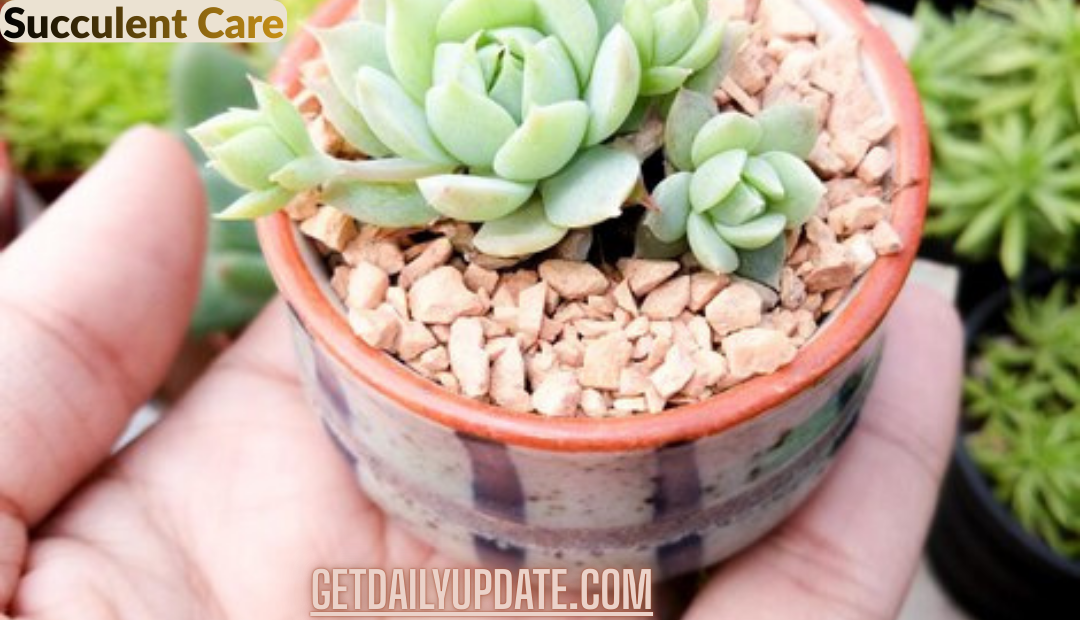
So, you’ve brought home your first succulent. Maybe it was a tiny $3 pot from the farmer’s market, or perhaps a friend handed you a cutting and said, “These are impossible to kill!”
If you’re anything like me, that little plant sat on your windowsill looking perfect for about two weeks. Then, slowly, it started to look sad. The bottom leaves turned mushy, or the whole thing started stretching out like it was reaching for something.
I’ve been there. When I got my first succulent, I treated it like a normal houseplant. I watered it every few days, gave it a nice big drink, and watched it fall apart right in front of me. I thought I had a “black thumb.” But here’s the truth I learned the hard way: Succulents aren’t hard to care for; they just require a different kind of care.
If you’re ready to become a great plant parent to these hardy little guys, you’re in the right place. Let’s break down succulent care made simple so you can enjoy healthy, happy plants without the stress.
Why We Love Them (And Why We Sometimes Fail)
Succulents are amazing because they store water in their leaves, stems, and roots . That’s why they look so plump and juicy. But because they store water, they hate sitting in wet soil. Most of us fail because we give them “too much love”—specifically, too much water.
The good news? Once you understand the “why” behind the care, keeping them alive is actually easier than caring for a fern or a fiddle leaf fig.
The Golden Rule of Watering: When in Doubt, Don’t
If you only take one thing away from this article, let it be this: Overwatering is the #1 killer of succulents .
I remember looking at my first succulent, seeing a dry soil surface, and reaching for the watering can. I thought I was being responsible. In reality, the soil an inch down was still soaking wet. I drowned the poor thing.
Here is how to water like a pro:
The “Soak and Dry” Method
Don’t just give your plant a sip. When it’s time to water, you want to drench the soil completely. Put the pot in your sink, water it until it runs out the drainage hole, and let it drain fully .
-
How often? This depends on your home environment, but a good rule of thumb is every 2–3 weeks .
-
The Touch Test: Stick your finger about an inch or two into the soil. If it feels damp, put the watering can down and walk away. Wait another few days and check again .
-
Watch for Cues: If the lower leaves start to look wrinkled or shriveled, that’s usually a sign they are thirsty .
Light: The “Stretching” Problem Solved
Have you ever seen a succulent that looks like a mini palm tree? It has a long, bare stem with a few leaves at the top? That’s called etiolation, and it happens when your plant isn’t getting enough light .
Succulents are sun-worshippers. Without enough light, they literally stretch out searching for it.
Finding the Sweet Spot
Most succulents need bright, indirect light for about six hours a day . A south or east-facing window is usually perfect.
-
Too Little Light: The plant gets “leggy” and pale.
-
Too Much Heat: If the sun is scorching hot through the window (like in the middle of summer), the leaves can get sunburned, turning brown or white .
Pro Tip: Rotate your pot every time you water. This ensures one side doesn’t do all the reaching toward the sun, keeping your plant symmetrical and full .
The Perfect Home: Pots and Soil
You can’t put a succulent in just any cute container. If that adorable pot at the store doesn’t have a hole in the bottom, you’re setting yourself up for failure.
Drainage is Non-Negotiable
Succulents absolutely must have a drainage hole . When you water, the excess needs somewhere to go. If it just sits at the bottom of the pot, the roots will rot .
-
Terracotta is Your Friend: Clay or terracotta pots are ideal because they are porous. They help the soil dry out faster than plastic or ceramic .
Mix Your Own Dirt
Regular potting soil holds too much water. It stays wet for too long and can cause root rot. You need a mix that drains fast .
You can buy a bag of “Cactus & Succulent Mix” at the store, which is great for beginners . Or, if you’re feeling DIY, mix:
-
1 part regular potting soil
-
1 part perlite or coarse sand (This is the “grit” that helps water flow through) .
My Personal Opinion: Don’t Be Afraid to Fail
I want to be really honest with you for a second. When I started, I killed a few plants. It happens. And it stings a little every time. But the succulent community is forgiving. These plants are incredible because they are so easy to propagate.
One of my favorite things is when a leaf falls off one of my healthy plants. Instead of throwing it away, I just lay it on top of some dry soil on my windowsill. Within a few weeks, tiny pink roots start to grow, and a brand-new baby plant forms. It feels like magic every single time.
So, if you lose one, don’t quit. Just grab a leaf from a friend and try again.
Easy Propagation: Getting Free Plants
Once you get the hang of care, you’ll have so many plants you won’t know what to do with them. Propagation is simple:
-
Gently twist a healthy leaf off the stem. Make sure you get the whole leaf, right down to the base.
-
Let the “wound” where it broke off dry out for a day or two. This is called “callousing.” If you stick it in dirt wet, it will rot .
-
Lay the leaf on top of succulent soil.
-
Mist it lightly every few days. Soon, you’ll see a baby plant!
Common Issues (And How to Fix Them)
Even with the best care, things can go sideways. Here’s a quick troubleshooting guide based on what I’ve learned from experts and my own mistakes :
-
Mushy, Yellow Leaves: This is overwatering. Stop watering immediately. Let the soil dry out completely. You may need to repot it in fresh, dry soil if the rot is spreading.
-
Brown, Crispy Spots: This is likely sunburn. If you just moved it outside or into a harsher window, acclimate it slowly. Start with a few hours of morning sun and increase gradually .
-
White, Cottony Fuzz: You’ve got mealybugs. Don’t panic. Dip a Q-tip in rubbing alcohol and dab the bugs. They’ll die on contact .
-
Leaves Dropping Off: This can be two things. If they are plump and fall off easily, it’s overwatering. If they are shriveled and fall off, it’s underwatering.
Seasonal Care: Summer vs. Winter
Your succulent’s needs change with the seasons.
-
Growing Season (Spring & Summer): This is party time for your plant. Water a little more frequently (when the soil is dry) and you can give it a light fertilizer once a month if you want to boost growth .
-
Dormant Season (Fall & Winter): Most succulents go to sleep in the winter. They stop growing. During this time, you can cut way back on watering—sometimes to just once a month. Let them rest .
Conclusion: You’ve Got This
Caring for succulents really is simple once you shift your mindset. It’s not about giving them constant attention; it’s about providing the right environment and then letting them do their thing. Forget the strict schedules. Let the soil be your guide. When it’s dry, water deeply. When it’s wet, wait.
Remember, succulent care made simple boils down to three things: lots of light, fast-draining soil, and a very light hand with the watering can.
What has been your biggest struggle with succulents so far? Drop a comment below—I’d love to help you troubleshoot. And if you found this guide helpful, share it with a friend who just bought their very first plant!
Happy planting!





Leave a Reply