
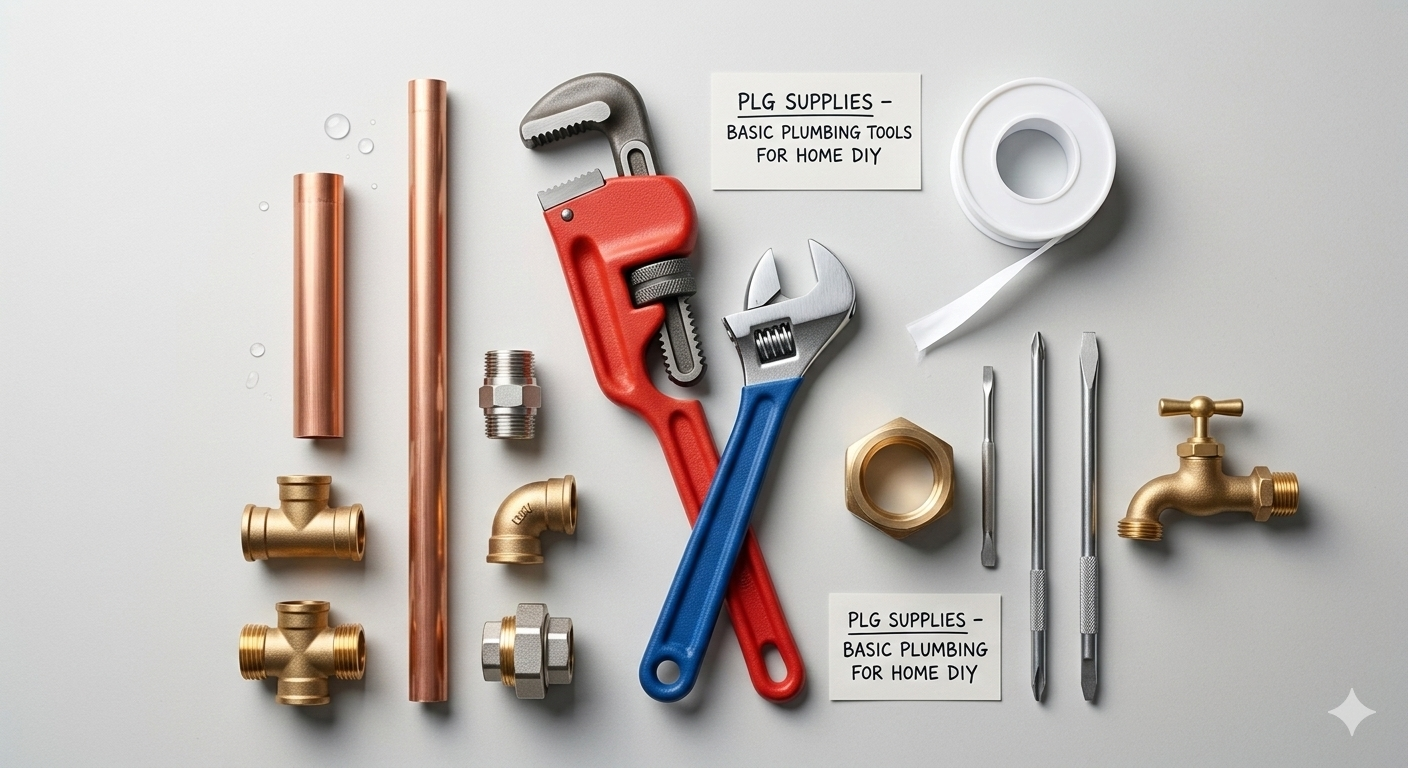
Hey there! Have you ever stood in the middle of a home improvement store feeling completely overwhelmed? I’ve been there. Between the endless aisles of pipes, light bulbs, and random gadgets, it’s easy to grab the wrong thing and end up making two more trips than necessary.
After nearly a decade of DIY projects (and plenty of mistakes), I’ve learned that understanding your PLG supplies—that’s plumbing, lighting, and hardware for the uninitiated—can save you time, money, and a whole lot of frustration. Whether you’re fixing a leaky faucet, updating a room, or just want to be prepared for emergencies, this guide breaks down exactly what you need.
Let’s dive in and make sense of it all together.
What Are PLG Supplies? Breaking Down the Basics
PLG supplies cover three main areas of your home: the stuff that carries water, the stuff that creates light, and the stuff that holds everything together. Think of them as the backbone of any functional living space .
When I bought my first house, I didn’t know a ball valve from a butterfly valve. But after my fair share of midnight leaks and flickering lights, I’ve learned that knowing your supplies isn’t just handy—it’s empowering.
Plumbing Essentials: What Every Homeowner Should Know
Plumbing is one of those things you don’t think about until something goes wrong. And then it’s all you can think about. Here’s what you need to understand.
Pipes and Tubing Materials
Not all pipes are created equal. The material matters big time for what you’re using it for.
Copper has been around forever and for good reason. It’s durable, resists corrosion, and can handle high temperatures. Perfect for hot water lines, but it’s gotten pricey over the years .
PEX (cross-linked polyethylene) is the new kid on the block that everyone loves. It’s flexible, easy to install, and you can snake it through walls without cutting half your house apart. Great for indoor water supply lines .
PVC and CPVC are the plastic pipes you probably recognize. White PVC is for drains and cold water only. That tan or cream-colored CPVC? Handles hot water too .
Galvanized steel is what old houses have. If you’ve got it, you’ll probably need to replace it eventually—it rusts from the inside out .
Sealing and Joint Materials
Here’s where the magic happens. A pipe is just a pipe until you connect it properly.
PTFE tape (aka plumber’s tape) is your best friend for threaded connections. Wrap it clockwise, and don’t skimp .
Pipe dope (pipe joint compound) gives you an extra layer of security on stubborn threads.
Silicone caulk saves bathrooms everywhere. Use it around sinks, tubs, and showers to keep water where it belongs .
Valves and Fittings
Valves control your water. Knowing which is which can save you during emergencies.
Ball valves use a lever and give you full on/off control. They’re reliable and less likely to fail .
Gate valves have a wheel that you turn. They’re common but can get stuck over time.
Angle stops are those little valves under your sink and behind your toilet. Learn where they are before you need them.
Quick Plumbing Tip
Keep a few basic supplies in a small bin: a plunger (the right type for toilets versus sinks), an adjustable wrench, plumber’s tape, and a drain snake. I can’t tell you how many times this little kit has saved me at 10 PM on a Sunday .
Lighting Essentials: More Than Just Brightness
Lighting changes everything about a room. It’s not just about seeing—it’s about feeling.
Types of Lighting Fixtures
Ambient lighting is your main light source. Those flush-mount ceiling lights, recessed cans, or chandeliers that light up the whole room? That’s ambient lighting doing the heavy lifting .
Task lighting is focused light for specific activities. Under-cabinet kitchen lights, the lamp on your desk, or the vanity lights in your bathroom—these help you see what you’re doing .
Accent lighting is the fun stuff. Picture lights, track lighting aimed at artwork, or wall sconces creating interesting shadows. This is where you get to play .
Popular Fixture Styles
Chandeliers aren’t just for fancy dining rooms anymore. Modern versions work in bedrooms, entryways, and even large bathrooms. Just make sure you size it right—too big overwhelms, too small looks silly .
Flush and semi-flush mounts are your everyday heroes. Flush mounts sit tight against the ceiling (great for low ceilings), while semi-flush hang down just a bit .
Wall sconces save floor space and add personality. I put these on either side of my bathroom mirror and it made such a difference—no more shaving in my own shadow .
Recessed lighting gives you that clean, built-in look. Perfect for kitchens and hallways where you don’t want fixtures hanging down .
Bulb Basics Made Simple
Here’s what actually matters when buying bulbs:
Wattage tells you energy use, not brightness. For LEDs, look at lumens instead—more lumens equals more light.
Color temperature changes the feel. 2700K-3000K is warm and cozy (think living rooms). 3500K-4500K is crisp and clean (bathrooms and kitchens). 5000K+ is daylight—great for garages, maybe too harsh for bedrooms .
Dimmers are worth the small investment. They extend bulb life and let you set the mood .
Hardware Essentials: The Stuff That Holds It Together
Hardware is the unsung hero of your home. It’s the screws, tools, and gadgets that make everything else work.
Must-Have Tools for Beginners
You don’t need a full workshop. Start with these:
A good hammer. Not the cheapest one. A 16-ounce claw hammer does 90% of what you need .
Screwdrivers. Get a set with both Phillips and flathead in various sizes. The ones with rubber grips save your hands .
Adjustable wrench. One good crescent wrench replaces a whole set of wrenches for most jobs .
Level. Even a small one. Nothing screams “amateur” like crooked shelves .
Cordless drill. This changes everything. Drilling holes AND driving screws with one tool? Yes please .
Tape measure. 25 feet is the sweet spot. The Stanley Fatmax is worth every penny .
Fasteners and Small Parts
Screws and wall plugs. Never have just one size. Get an assortment—you’ll use them .
Picture hangers. The little kits with different weight ratings save your walls from extra holes.
Duct tape. Not for permanent fixes, but for getting through the night until you can do it right .
How to Choose Quality Supplies Without Breaking the Bank
I learned this one the hard way. Cheap tools break at the worst moments. But you don’t need professional-grade everything either.
Match the material to the job. Outside faucet? Go with brass or stainless steel—plastic cracks in freezing weather .
Check for certifications. Look for markings that show the part meets building codes. It matters for insurance and safety .
Read reviews from people like you. Not professional reviewers—real homeowners who installed the same thing in their own house.
Buy once, cry once. For tools you’ll use repeatedly, spend a little more. For one-off projects, the mid-range option is fine .
Common Mistakes I’ve Made (So You Don’t Have To)
That time I used the wrong tape? Drip. Drip. Drip. At 2 AM. Learn from me.
Mixing metals without dielectric unions causes corrosion. Copper and steel don’t play nice together without help .
Forgetting to turn off the water. Yes, I’ve done it. Yes, it made a mess. Locate your shutoff valves before you need them.
Buying bulbs by shape instead of base. That pretty bulb means nothing if it doesn’t fit your socket. Check the base type first .
Ignoring IP ratings near water. Bathroom lights need proper moisture protection. Don’t skip it .
Bringing It All Together: Your Home System
Think of your home as one connected system. The plumbing brings water in and takes waste out. The lighting makes spaces usable and pleasant. The hardware ties it all together and gives you the tools to maintain it.
When these systems work well, you don’t notice them. When they don’t, it’s all you notice. A little knowledge about your PLG supplies goes a long way toward keeping everything running smoothly.
Final Thoughts
Look, nobody expects you to become a master plumber, electrician, or carpenter overnight. But understanding the basics of your PLG supplies means you can handle small problems before they become big ones. It means walking into the hardware store with confidence instead of guessing. And honestly? There’s something satisfying about fixing things yourself.
Start small. Build your toolkit gradually. Ask questions at the store. And when you’re in over your head? Call a pro—that’s what they’re there for.
If you want to read more information, visit.





Leave a Reply