You know that moment when you catch yourself watching a complete stranger unbox a product on their phone, and you’re genuinely invested? Yeah, me too.
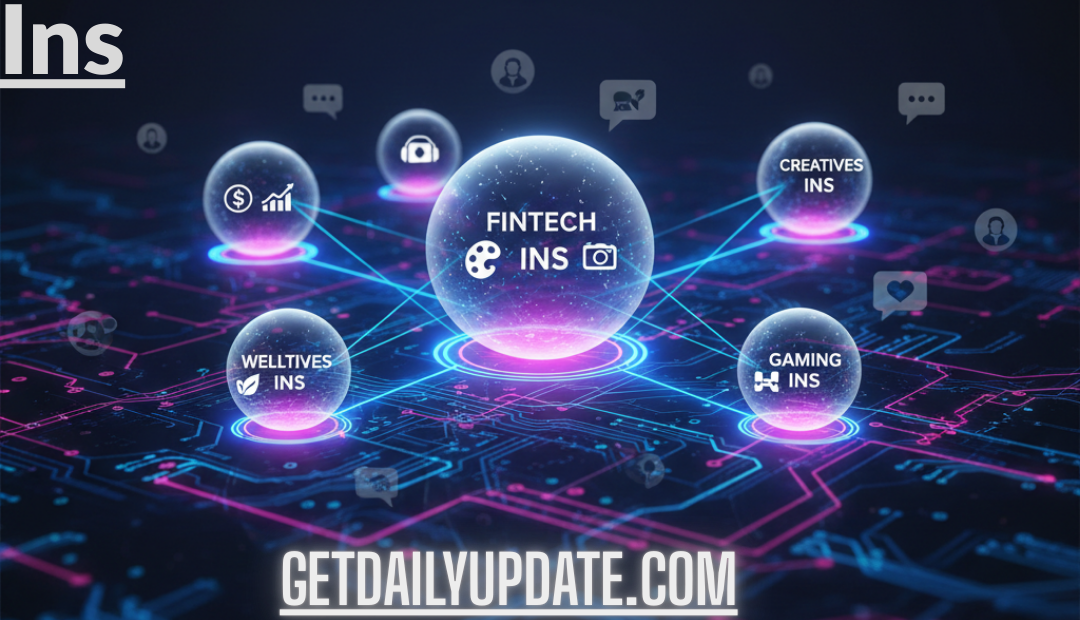
I’ve been thinking a lot lately about the rise of “ins” and their influence on modern digital culture. Not just because I’m chronically online (guilty), but because something fundamental has shifted in how we connect, trust, and even think about ourselves.
We’re talking about influencers, of course. But here’s the thing – the word “influencer” barely scratches the surface anymore. These creators have become our trusted friends, our shopping advisors, our news sources, and sometimes even our therapists. And honestly? The whole scene is evolving faster than most of us can keep up with.
So grab whatever you’re drinking, and let’s unpack what’s really happening with the “ins” and why it matters to all of us – whether you’re a creator, a brand, or just someone trying to enjoy the scroll without feeling sold to every three seconds.
How We Got Here: A Quick Scroll Down Memory Lane
Remember when Instagram launched back in 2010? The first post was literally a blurry dog at a taco stand . No strategy. No lighting kit. No sponsored content. Just a pup and some tacos.
Fast forward fifteen years, and that same platform generated nearly $67 billion in revenue last year . That’s not just growth – that’s a whole new economy.
What started as people sharing slightly rubbish pictures of their lunch evolved into what scholars now call “influencer capitalism” – a system where visibility becomes currency and self-promotion is just… normal . We went from “look at my bagel” to “here’s why my entire carefully curated existence should inspire your purchasing decisions.”
And honestly? We all played along. I certainly did. I remember agonizing over which filter made my coffee shop photo look sufficiently artsy but not try-hard. We all became our own public diarists, directors of galleries entirely about ourselves .
The Authenticity Paradox: When “Being Real” Becomes a Brand
Here’s where it gets weird. We’re all desperate for authenticity now. We say we want real, unfiltered, raw content. But what does that even mean when “being real” is itself a performance?
The algorithm taught us something interesting. Content that feels authentic – slightly messy, genuinely funny, actually useful – consistently outperforms polished perfection . A creator chatting from their actual kitchen (dishes in the background and all) often connects better than someone in a professionally lit studio.
But there’s a catch. Influencers now have to walk this impossible tightrope between being strategic and appearing spontaneous . They’re constantly calculating how to seem like they’re not calculating. That’s exhausting just to think about.
I’ve watched creators I genuinely like start to lose themselves in this dance. They become so focused on what the algorithm wants that the original spark – the reason I followed them – just fades away. And before long, everyone starts looking and sounding the same .
The Big Shift: Moving From Audiences to Micro-Communities
This is actually the part that gives me hope.
In 2026, the game has changed. Follower counts don’t mean what they used to. You can have two million followers and zero engagement, or twelve thousand followers and a community that would show up at your birthday party .
What’s happening instead? People are flocking to smaller, more private spaces. Discord servers. Niche subreddits. Invite-only Slack groups. Substack chats .
These micro-communities run on shared passion, inside jokes, and actual conversation – not algorithms deciding what you should see. And for brands trying to connect? The old playbook of showing up with a billboard mentality just doesn’t work here .
One of my favorite examples is how superfans are driving real outcomes now. These aren’t passive scrollers – they’re the ones commenting, sharing, remixing, and defending creators they love . They’re not just audiences; they’re active participants in building the culture.
AI Influencers: The Plot Twist Nobody Saw Coming
Okay, this section might blow your mind a little.
There’s this creator named Gigi. Perfect hair. Relatable content. Cute baby who appears in videos. She shares skincare routines, eats pizza, does all the normal influencer things .
Except Gigi isn’t real.
She’s completely AI-generated, created by a 21-year-old student who needed to make money over the summer. One of Gigi’s videos earned $1,600 in four days .
And here’s the uncomfortable question nobody wants to answer: if an AI creator can generate millions of views and brand partnerships, what does that mean for human creators who spend hours shopping, filming, editing, and showing up authentically?
The human creators I know are rightfully nervous. One told the BBC recently, “I can’t compete with robots” . Because while a human needs sleep, has bad days, and can only produce so much content, an AI keeps going. Forever. Without getting tired.
But here’s my take – and this is where I might be old-fashioned. AI might be able to generate content, but it can’t generate connection. It can’t read the room in the way a real person can. As one marketing expert put it, “AI can’t scrape the messiness of human desire” . That messiness? That’s actually our superpower.
The Creator Economy Gets a Promotion
Influencers aren’t just posting anymore. They’re consulting.
Brands have finally figured out that the old model – “here’s a brief, make a post, goodbye” – doesn’t build anything lasting. So now we’re seeing creators step into real partnership roles .
What does this look like practically?
-
Creators sitting in strategy meetings
-
Co-designing products based on audience feedback
-
Developing long-term campaigns instead of one-off posts
-
Actually having creative control over branded content
One founder I read about is hosting a “community design panel” where influencers will help direct an entire collection from concept to campaign . That’s not influencer marketing – that’s creative collaboration.
And honestly? This feels right. When creators are genuinely invested in something, you can feel it. The content lands differently. Audiences respond because nobody likes being sold to by someone who clearly doesn’t care.
What This Means for Regular People Like Us
So where does this leave those of us who just want to scroll without feeling like we’re constantly in a shopping mall?
We’re getting smarter about what we trust. Research shows audiences now seek “knowledge users” – creators who offer actual informational value and credibility, not just entertainment . We want experts, or at least people who’ve done their homework.
We’re also seeing a fascinating backlash against the “always on” culture. Digital detox is becoming the ultimate luxury . People are logging off intentionally, seeking quieter platforms, and embracing boredom as something valuable rather than something to escape.
I’ve started doing this myself. I deleted Instagram off my phone for weekends sometimes. And you know what? The world didn’t end. My friends still love me. I actually read books again.
Where We’re Headed: My Honest Predictions
If I had to bet on where the rise of “ins” and their influence on modern digital culture takes us next, here’s what I’d watch for:
1. The death of the generic influencer. The middle ground is disappearing. You’re either building a real community around genuine expertise, or you’re struggling to stay visible .
2. More AI, but also more humanity. We’ll see more synthetic creators, sure. But the counter-movement will be people craving things made by actual human hands, with visible imperfections and real stories .
3. Private over public. The future of connection isn’t on public feeds – it’s in those small, algorithm-free spaces where people actually talk to each other .
4. Creators as actual business partners. The smartest creators won’t just make content – they’ll have equity, creative control, and real influence over what gets made .
Practical Tips for Navigating This New World
Whether you’re a creator, a brand person, or just someone trying to exist online, here’s what actually matters right now:
For creators: Stop chasing the algorithm and start serving your people. The micro-community you build will outlast any viral moment. Be genuinely useful. Share what you actually know. And please, for all our sakes, don’t try to be everything to everyone.
For brands: Partner with creators whose values genuinely align with yours. Let them have creative control. Build for the long haul instead of chasing quick wins . And show up in communities as a helpful participant, not a billboard .
For the rest of us: Trust your gut. If something feels off about a recommendation, it probably is. Seek out creators who share their thinking, not just their shopping. And give yourself permission to log off when you need to.
Wrapping This Up
The rise of “ins” and their influence on modern digital culture isn’t slowing down – it’s just changing shape. We’re moving from an era of mass influence to one of meaningful connection. From polished perfection to messy reality. From audiences to communities.
And honestly? I think that’s a good thing.
The influencers who’ll thrive in 2026 and beyond aren’t the ones with the prettiest feeds or the biggest follower counts. They’re the ones who actually have something to say, who genuinely care about the people showing up for them, and who remember that behind every screen is a real human being.
Just like that blurry dog at the taco stand fifteen years ago – sometimes the realest moments are the ones that stick.
What do you think? Are you following any creators who feel like genuine friends? Or are you feeling the fatigue of the influencer culture? Drop a comment below – I’d genuinely love to hear your take.
Hey, if this article made you think differently about your scroll habit, share it with a friend who needs to read it. And subscribe to the newsletter for more real talk on digital culture, minus the weird sales pressure.


Leave a Reply