
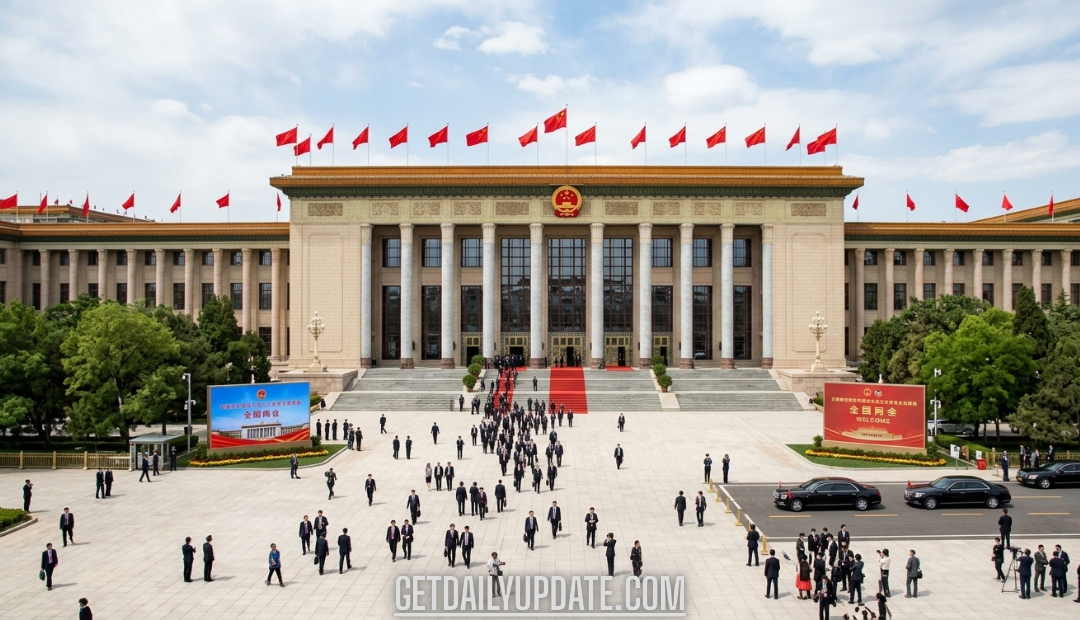
Hey everyone! Have you ever glanced at the news, seen a headline about a big political meeting in China, and just scrolled past because it felt too complicated or far away? I totally get it. I used to do the same thing.
But a few years ago, I realized that what gets decided in these meetings actually affects the price of gas, the apps on our phones, and even the job market halfway across the world. We’re talking about the “Two Sessions”—China’s biggest political meeting of the year.
Every March, thousands of delegates swarm into Beijing. It sounds dry, I know, but stick with me. This year felt different. The world is a bit of a mess right now, and everyone was looking to this meeting for a roadmap. What I found when I dug into the reports and announcements was actually pretty fascinating, and it tells us a lot about where we’re all headed.
So, grab a coffee, and let’s break down what China’s biggest political meeting really means for the future—for them, and for us.
The Vibe in the Room: Stability is the Name of the Game
If I had to sum up the overall feeling coming out of the meeting this year in one word, it would be “stability.” It wasn’t about wild, revolutionary changes. It felt more like a captain steadying the ship in choppy waters.
We’re talking about a clear focus on shoring things up. With global inflation being a pain and tensions high in various parts of the world, the message was loud and clear: let’s make sure our own house is in order. This means double-down on food security, make sure energy supplies are safe, and keep the economy from taking on any more water.
A quick personal story: I remember visiting a small tech hub in Shenzhen a few years back. It was all buzz and chaos—new startups popping up everywhere. When I read about the focus on “quality development” in the meeting notes, I thought of that trip. They’re not just trying to grow fast anymore; they’re trying to grow smart and strong. It’s a shift from building a thousand tiny boats to building a few unsinkable ships.
The Economy: Not Just Growth, But “Quality” Growth
For years, we all watched China’s GDP numbers skyrocket. But the conversation is changing. The target they set this year was modest by historical standards, but that’s actually the point.
What “Modernization” Looks Like on the Ground
They kept talking about “Chinese-style modernization.” I know, it sounds like a buzzword, but it has real-world meaning. It’s not just about being rich; it’s about being self-sufficient. This is why you see such a massive push for domestic technology.
We aren’t just talking about making cheaper products anymore. The goal is to own the technology behind them.
-
Actionable Tip: If you’re in business or investing, pay less attention to the old-school manufacturing sectors and more to companies involved in green tech, AI, and biotech. That’s where the future funding is going.
Tech Independence: The Big Gamble on the Future
This was the big one for me. The phrase “self-reliance” came up again and again. You don’t have to be a geopolitical expert to see why. Over the last few years, access to certain foreign chips and software has become a lot more complicated.
China’s answer? Build our own.
From Copycat to Creator
I remember when “Made in China” meant something simple and cheap. Those days are fading fast. The meeting laid out a clear path to dominate the “new infrastructure”—things like 5G expansion, data centers, and charging stations for electric vehicles.
Practical Takeaway: This isn’t just politics. If you work in tech, this means a surge in demand for domestic software engineers, AI specialists, and hardware designers in China. For consumers, it means the next big app or gadget might not come from Silicon Valley, but from Shenzhen or Beijing.
My Two Cents: Why This Feels Different This Time
Okay, time for some honest talk. I’ve been following these meetings for about a decade now. Usually, it’s a lot of formal language and predictable targets. But reading the briefings this year, I felt a sense of realism that I hadn’t seen before.
There was less bravado and more problem-solving. They openly talked about challenges—an aging population, youth unemployment, and the rocky property market. To me, that’s a good sign. It shows a clear-eyed view of the road ahead. It feels like they’re getting ready to tackle hard problems rather than just hoping they go away. It’s like finally admitting your budget is tight so you can actually start saving money—it’s the first step to fixing it.
What This Means for Regular People (Like You and Me)
So, how does a political meeting in Beijing actually touch our lives? Here are three concrete ways:
-
Supply Chains & Prices: If China focuses on making its own high-tech parts, global supply chains shift. This can eventually lower the cost of electronics, but it might cause short-term shortages of certain components we take for granted.
-
Green Tech Acceleration: China is the world’s biggest maker of solar panels and electric vehicles. Their commitment to “green growth” means these technologies will likely get cheaper and more advanced faster, which is a win for the planet.
-
Investment Opportunities: For anyone with a 401k or investments, the sectors prioritized here (tech, green energy, biotech) are likely where global capital will flow. It’s worth checking if your funds have exposure to these areas.
Actionable Steps to Stay Informed:
-
Don’t rely on headlines: Headlines are designed to grab attention. Read a summary of the key economic targets instead of just the political hot takes.
-
Follow the industries: Watch what Chinese companies like BYD (electric vehicles) or CATL (batteries) are doing. Their success is a direct result of these policy meetings.
-
Think long-term: These meetings set a 5-year, even a 10-year plan. Don’t look for changes overnight. Look for trends.
Conclusion: Keeping an Eye on the Road Ahead
Look, I’m not a political analyst. I’m just a guy who likes to understand how the world works so I can make better decisions. And looking at China’s biggest political meeting this year, the future looks less about flashy expansion and more about solid, steady progress. They are building for the long haul, focusing on technology, security, and stability.
It might seem far away, but the ripples from this meeting will touch all of us. Whether it’s the phone in your pocket or the air in your lungs (thanks to greener policies), what happens in Beijing matters.
If you want to read more information, visit.




Leave a Reply