
Hey there, fellow food lovers! Have you ever stumbled across a recipe or heard a friend rave about a dish called “Mannacote” and found yourself tilting your head in confusion? I’ve been there. It sounds a bit like “manicotti,” right? Is it a fancy new pasta shape? A typo? Or maybe some secret family recipe?
I decided to dig into this delicious mystery, and what I found was even better than I expected. Mannacote isn’t just a misspelling; for many families, it’s a cherished term for one of the coziest, most satisfying Italian-American dishes out there. Think tender pasta tubes, a luscious, creamy cheese filling, and rich tomato sauce all baked together until bubbly and golden. If that sounds like pure comfort, you’re in the right place.
In this post, we’re going to unpack everything about mannacote—from its heartwarming origins to the best way to make it in your own kitchen. I’ll share my favorite tips and a classic recipe that’s sure to become a regular on your dinner table. Let’s get cooking!
What is Mannacote? Unpacking the Name and the Dish
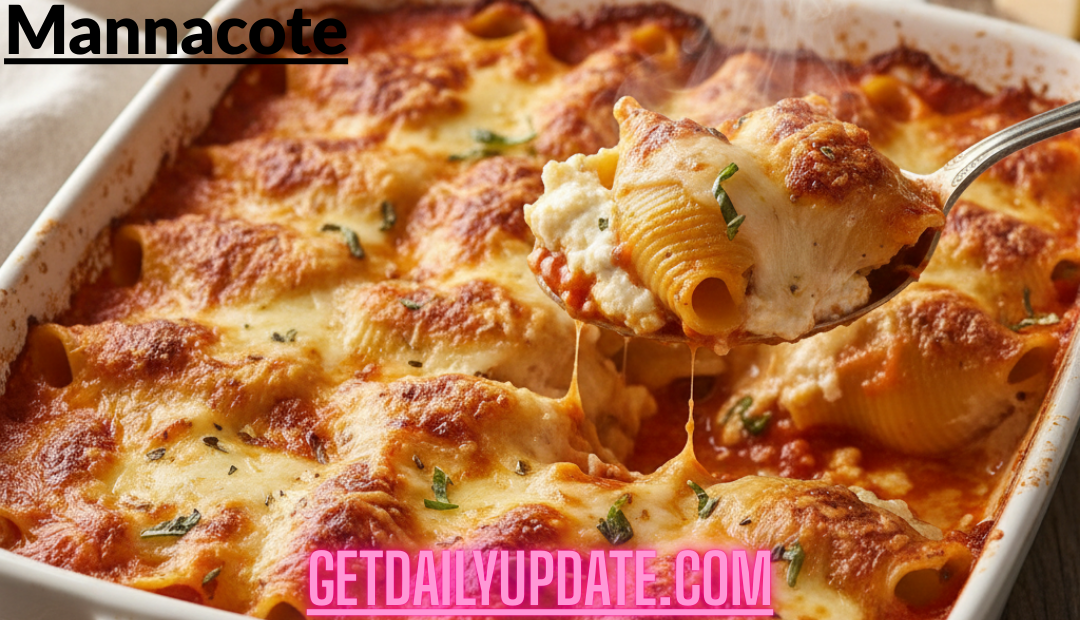
So, let’s tackle the big question head-on: what exactly is mannacote? In the simplest terms, it’s a beloved Italian-American baked pasta dish. It features large, tube-shaped pasta (or sometimes thin crepes) that are stuffed with a rich, cheesy filling—usually a blend of ricotta, mozzarella, and Parmesan—layered with marinara sauce, and baked to perfection .
Mannacote vs. Manicotti: Is There a Difference?
Technically? No. Culturally? Absolutely. This is where it gets personal.
You see, “Mannacote” is widely considered a regional or phonetic variation of “manicotti,” which is the standardized term you’d see in cookbooks or on a box at the grocery store . The word “manicotti” itself means “little sleeves” in Italian, a perfect description of the pasta shape .
So, why “mannacote”? It all comes down to the beautiful, messy way language evolves in immigrant communities. As Italian immigrants settled in the U.S., particularly in the Northeast, words were passed down orally. Accents and local dialects shaped how these terms sounded at the family dinner table. “Manicotti” might have been pronounced “manna-gawt” or “manna-coat,” and over generations, that phonetic spelling—mannacote—became the family standard .
To me, that’s what makes the term so special. It’s not wrong; it’s a marker of heritage. If your grandmother called it mannacote, then that’s its real name. It’s the dish you grew up with, the one that smells like Sunday dinners and love. For the purposes of our kitchen today, we can use the terms interchangeably, but knowing the story behind the name adds a little extra flavor, don’t you think?
The History: From Italian Cannelloni to American Mannacote
While “mannacote” might be an American-born term, its soul is pure Italian. The dish is a direct descendant of cannelloni, a classic Italian specialty .
In Italy, cannelloni (“large reeds”) are typically made with fresh pasta sheets that are filled, then rolled into tubes. They’re often baked with a combination of tomato sauce and creamy béchamel . When Italian immigrants came to America in the late 19th and early 20th centuries, they brought these recipes with them. However, they had to adapt to new ingredients. Finding fresh pasta sheets wasn’t always easy, but dried pasta tubes—which became known as manicotti—were readily available .
This practical swap gave birth to the dish we know and love. It kept the heart of the Italian original—the stuffed pasta, the rich fillings, the baking—but made it accessible for busy American home cooks. Mannacote, or manicotti, is a beautiful example of how immigrant cuisine evolves, creating something new and delicious while still honoring its roots .
Classic Mannacote Recipe: A Step-by-Step Guide
Alright, let’s get to the fun part: making it! This recipe is my go-to. It’s straightforward, utterly delicious, and feels like a warm hug on a plate. Don’t be intimidated by the stuffing process—I’ve got a trick to make it easy.
Ingredients You’ll Need
This recipe serves about 4-6 people.
For the Pasta & Sauce:
-
1 box (about 12 ounces) manicotti pasta shells (about 12-14 shells)
-
3-4 cups of your favorite marinara sauce (homemade or a good-quality jarred sauce works great)
-
1 tablespoon olive oil
-
1 ½ cups shredded mozzarella cheese (for topping)
For the Creamy Cheese Filling:
-
2 cups (15-16 ounces) whole milk ricotta cheese
-
2 cups (8 ounces) shredded mozzarella cheese
-
½ cup grated Parmesan cheese, plus more for topping
-
1 large egg, lightly beaten
-
2 tablespoons fresh parsley, finely chopped
-
½ teaspoon salt
-
¼ teaspoon black pepper
-
Optional: ½ cup cooked, chopped spinach (make sure to squeeze all the water out!)
A Little Insight From Me: I always recommend using whole-milk ricotta and freshly shredded mozzarella (the kind you shred yourself from a block). The pre-shredded stuff has anti-caking agents that can prevent it from melting into that gloriously creamy texture we’re after.
Step-by-Step Instructions
-
Preheat and Prep: Preheat your oven to 375°F (190°C). Lightly grease a 9×13-inch baking dish with a little olive oil.
-
Cook the Pasta: Bring a large pot of salted water to a boil. Add the manicotti shells and cook for about 5-7 minutes. You want them pliable but still very firm (al dente) , as they’ll continue cooking in the oven. Don’t overcook them, or they’ll tear when you try to stuff them! . Drain them gently and lay them out on a baking sheet lined with parchment paper to cool slightly. Drizzling a tiny bit of olive oil on them can help prevent sticking.
-
Make the Filling: While the pasta cooks, make your filling. In a large bowl, combine the ricotta, 2 cups of mozzarella, ½ cup of Parmesan, the egg, parsley, salt, and pepper (and spinach if using). Mix until it’s all beautifully combined.
-
The Easy Stuffing Trick: This is the game-changer. Don’t struggle with spoons. Spoon the filling into a large ziploc bag. Seal the bag, then snip off one of the bottom corners. Now you have a DIY piping bag!
-
Fill the Shells: Spread about 1 cup of marinara sauce on the bottom of your prepared baking dish. Now, take a pasta shell, and pipe the filling gently into one end until it starts to come out the other. You can also pipe from both ends to ensure it’s full. Place the filled shell in the dish. Repeat with the remaining shells .
-
Assemble: Pour the remaining marinara sauce over and around the filled shells, making sure they’re mostly covered. Sprinkle the top generously with the remaining 1 ½ cups of mozzarella and an extra dusting of Parmesan.
-
Bake to Perfection: Cover the dish with foil and bake for 25 minutes. This traps steam and cooks the pasta through. Then, remove the foil and bake for another 10-15 minutes, until the sauce is bubbly and the cheese is melted and starting to turn golden brown in spots.
-
Rest and Serve: This is the hardest part! Let the dish rest for about 10 minutes before serving. This allows the filling to set so it doesn’t all run out when you cut into it. Garnish with a little fresh parsley or basil and serve warm.
Delicious Variations to Make It Your Own
One of the best things about mannacote is how flexible it is. Once you master the basic recipe, you can play around with different flavors.
Meat Lover’s Mannacote
Brown 1/2 pound of ground beef or Italian sausage (casings removed) in a skillet. Drain the fat, let it cool slightly, and mix it into your ricotta filling. It makes for a much heartier, protein-packed meal .
Veggie-Packed Version
Sauté some mushrooms, zucchini, or bell peppers and add them to the filling. The classic spinach and ricotta combination is a winner for a reason—just make sure your spinach is thoroughly drained so it doesn’t make the filling watery .
Creamy Sauce Swap
While marinara is classic, try this with a creamy alfredo sauce or a rose sauce (a mix of tomato and cream) for an extra-decadent treat. If you want to get really traditional, use a béchamel sauce in place of some or all of the marinara, just like they do with cannelloni in Italy .
The “Other” Mannacote: A Cool Culinary Technique
Before we wrap up, I stumbled upon something fascinating that I have to share. Apparently, “mannacote” can also refer to a specific pasta preparation technique . In this context, it means lightly coating cooked pasta sheets or tubes in a thin, starchy layer—like a slurry of pasta water and a little flour or a thin béchamel—before baking. This “mannacote” coating acts as a protectant, keeping the pasta from drying out in the oven and helping the sauce cling to it better .
I tried this recently when making a baked ziti. I tossed the pasta in a little bit of the reserved starchy water mixed with a spoonful of ricotta before adding the sauce. The result was noticeably creamier. It’s a pro-level tip that’s surprisingly easy to do at home!
Conclusion: Your New Favorite Comfort Dish
Whether you call it mannacote or manicotti, this dish is pure magic. It’s a testament to the power of food to carry family history and bring people together around the table. From its roots in Italian cannelloni to its evolution in American kitchens, it’s a recipe that’s all about warmth, generosity, and incredible flavor.
I hope this guide has inspired you to try making it yourself. It’s easier than you think, and the smiles it brings are guaranteed.
Now I’d love to hear from you! Does your family have a special name for this dish? What’s your favorite filling? Drop a comment below and share your stories. And if you try this recipe, be sure to come back and let me know how it turned out. Happy cooking!





Leave a Reply